Home »
About Us »
Blog » Propane Tank Sizes: Small vs. Large Tanks for Different Needs
Propane Tank Sizes: Small vs. Large Tanks for Different Needs
Whatever size you need, Cape Cod Oil & Propane can help
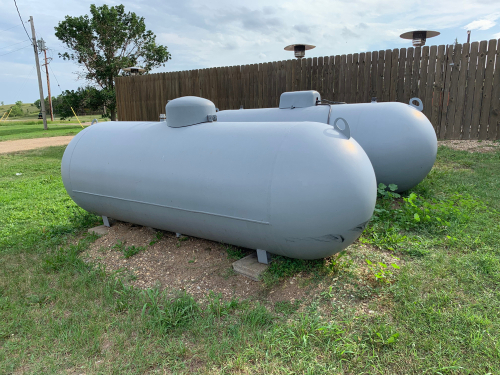 If you are thinking about adding a propane tank to your property here on Cape Cod there are a couple decisions that you are going to have to make. Whether you have lived in your home for years and are switching over to propane or you are building a new home from the ground up and making propane your main fuel of choice, you will have to decide what size propane tank to get.
This is actually a very important call. If you end up with a tank that is too small you are going to need frequent refills, which typically equates to unncessary expenses. A tank that is too large can end up being a waste of space, energy and resources. On top of all that, you need a tank with enough capacity and bandwidth in order for your propane-powered appliances and equipment to work efficiently.
So let’s take a look at exactly what you need to know to find the size propane tank that will work best for you and your home.
Key factors to consider when determining propane tank size
There are multiple elements to think about when you are trying to select the right tank size. This includes:
- Tank placement: Not all tank sizes are available in both aboveground and underground models. For example, 60-gallon and 120-gallons tanks have to be installed above ground. Therefore, if you are set on having an underground tank your options are going to be somewhat limited.
- The size of your home: This is particularly important if you are using propane to heat your home or warm your water. The larger your home, the larger size tank you will need.
- How many propane-powered appliances you are going to have: This probably goes without saying, but the more appliances you have that are being powered with propane the more fuel you will use. As fuel consumption goes up, a larger sized tank makes more sense.
- How old your propane appliances are: Older appliances are less efficient than newer ones, which means that they require more fuel and resources.
- Where you live: Again, this mostly applies for people who are using propane for home heating purposes. If you live in a climate where there is a long and cold winter you will need lots of fuel (and therefore a big tank) to keep your home warm and comfortable.
Tank size versus tank capacity
It is important to remember that tank size and take capacity are two different things.
Cape Cod Oil & Propane typically installs:
- 60-gallon tanks that can power a single appliance such as a cooking range or a dryer
- 120-gallon tanks that can power one or two propane appliances
- 250-gallon tanks that can power supplemental heat sources as well as household appliances
- 325-gallon tanks that can fuel central heating systems in smaller sized homes
- 500-gallon tanks that can fuel central heating systems for homes that are 2,500-4,500 square feet
- 1,000-gallon tanks that are typically reserved for large homes and commercial spaces
A propane tank is considered full at the 80% point. The remaining 20% of space is left for the fuel to expand as it temperatures rise. This means that a 120-gallon tank can safely hold 96 gallons of fuel and so on.
Propane tank services from Cape Cod Oil & Fuel
Cape Cod Oil & Propane can help homeowners here on the Cape get set up with the propane storage they need.
Contact us today to learn more about our propane tank installations, maintenance and fuel deliveries.


